Resilient Reconstruction After Earthquakes
In recent years, humanity has witnessed a series of devastating earthquakes that have claimed countless lives and left entire cities
Read More
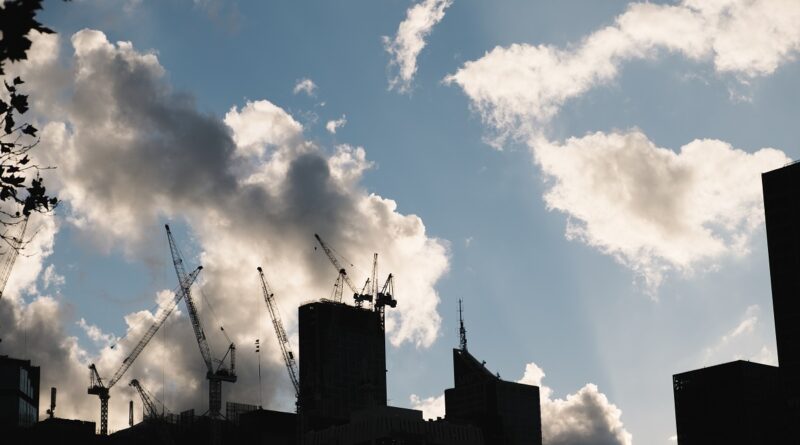
In recent years, humanity has witnessed a series of devastating earthquakes that have claimed countless lives and left entire cities
Read More
The 2026 FIFA World Cup, hosted by the United States, Mexico, and Canada, is projected to become the most environmentally
Read More
Technological development in 2026 is closely linked to security and driven by advances in artificial intelligence (AI). However, this growth
Read More
The Artemis program by NASA has cost approximately 93 billion US dollars to date. It has required the work of
Read More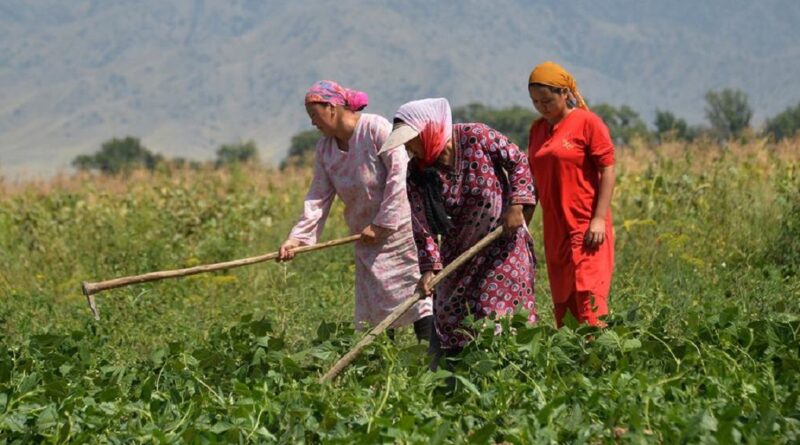
Rural women produce between 60 percent and 80 percent of the food supply in developing countries. However, their access to
Read More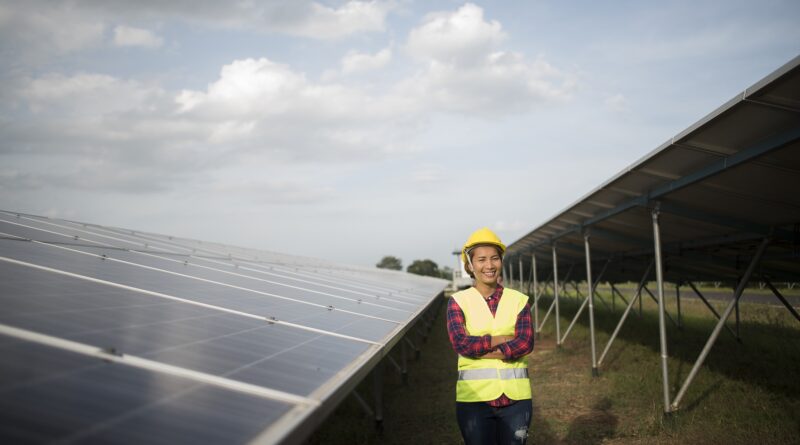
Zero Carbon Analytics reports that in November 2025, 19% of the region’s electricity came from solar and wind, above the
Read More
A forest is more than a group of trees—it is a complex ecosystem. And forests do not exist only on
Read More
Global biodiversity is facing one of its deepest crises. More than 7.7 million animal species—over 20% of those known—are now walking
Read More
Hydrogen is the most abundant element in the universe, yet it is never found freely in nature. To be used
Read More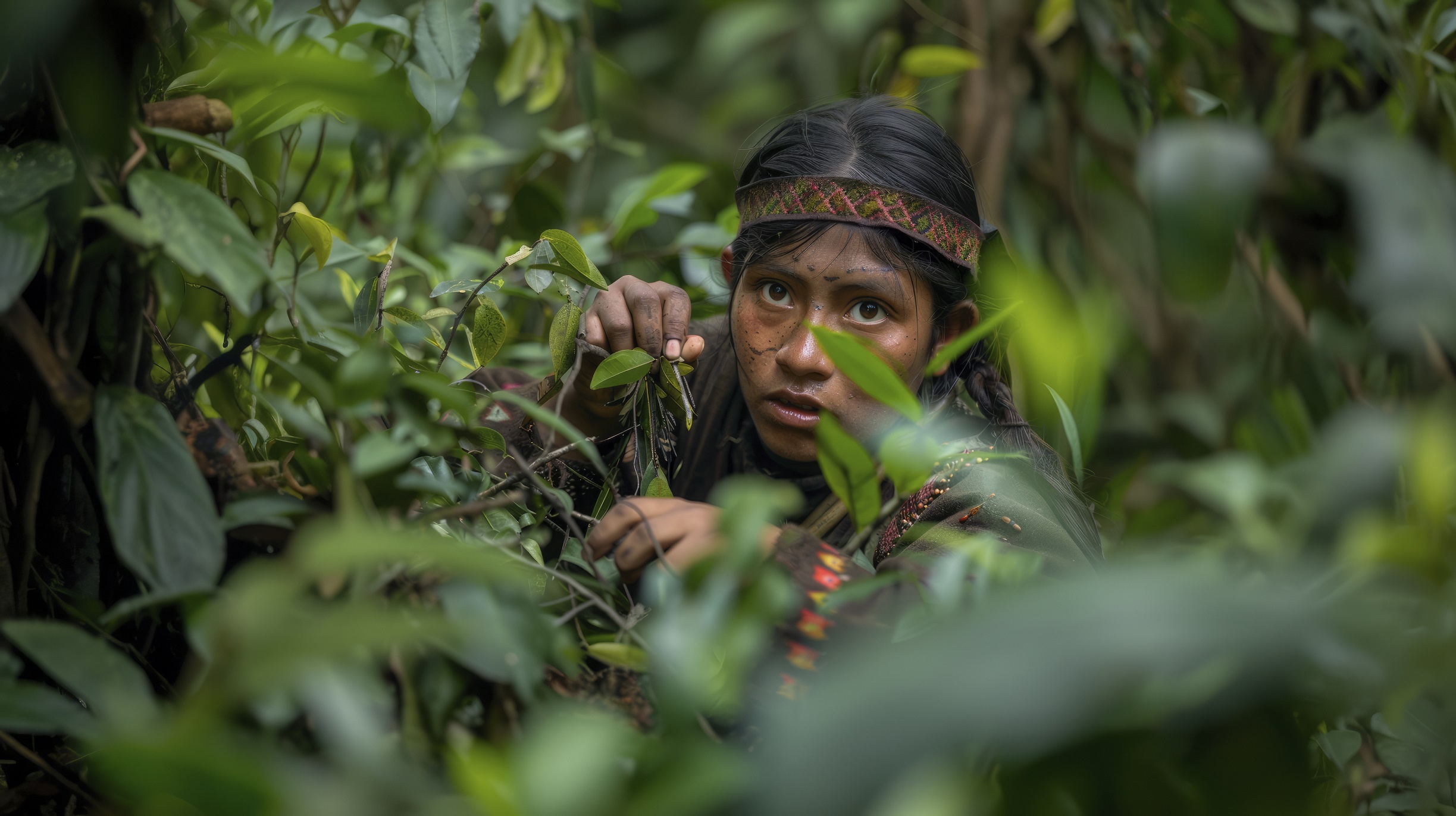
Indigenous communities in Latin America have ancient knowledge of the land, making them natural leaders in reforestation and conservation projects. As climate
Read More