
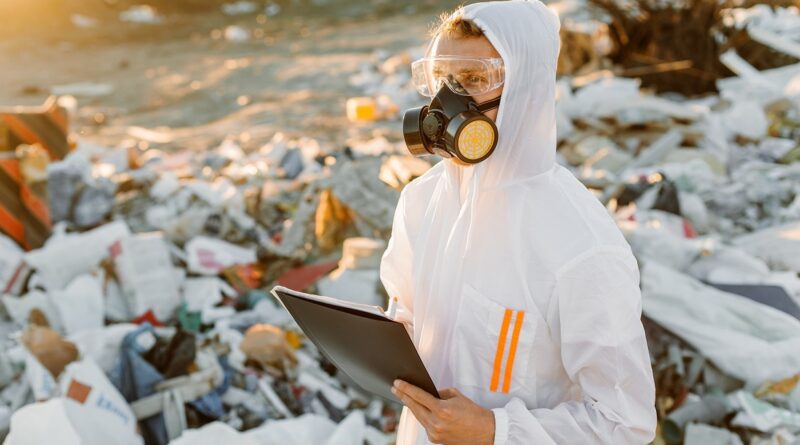
Environmental Sanitation and the Protection of Human Health
Environmental sanitation plays a vital role in our daily lives. It encompasses everything from waste management and the cleanliness of public and private spaces to food safety, proper water management, and the implementation of measures designed to minimize risks to human health.
More specifically, environmental sanitation is a comprehensive system of actions, technical controls, and preventive processes aimed at protecting public health. Its primary objective is to prevent the spread of disease while promoting healthier and more sustainable communities.
Over the years, scientific knowledge, technical standards, and environmental management practices have evolved to reduce pollution, prevent disease, and improve quality of life. Environmental sanitation integrates several interconnected areas, including the management of drinking water, wastewater, and human waste; the collection, treatment, recycling, and final disposal of solid waste; environmental hygiene; food safety; and, equally important, environmental education.
Education at an early age, together with community-based educational initiatives that encourage environmentally responsible practices, is one of the fundamental pillars of public health. Raising awareness and fostering sustainable habits contribute significantly to healthier communities and a better quality of life.
Environmental sanitation is also closely linked to health surveillance, environmental risk prevention, and the promotion of healthy living conditions. It enables authorities to identify potential environmental hazards before they develop into major public health problems, strengthening the capacity of communities to prevent and respond to emerging risks.
Source: Environmental Sanitation Conference 2026, Autonomous University of Mexico. World Health Organization (WHO).