
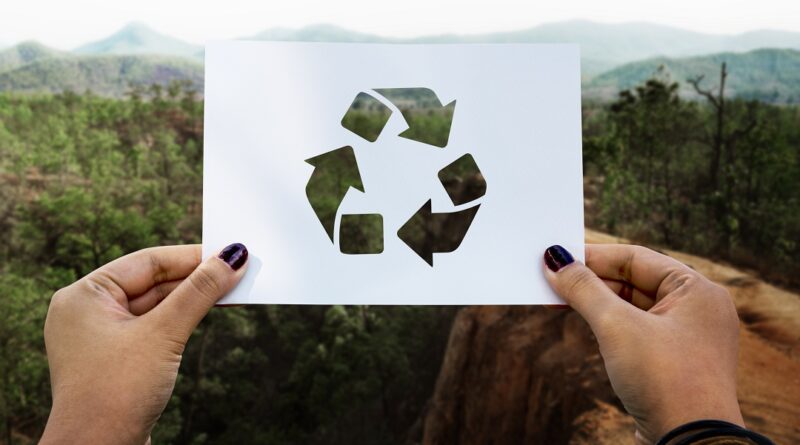
The Circular Economy Creates a New Value Chain
The philosophy behind the circular economy seeks to extend the lifespan of products while maximizing their usefulness at the end of their life cycle, thereby reducing the extraction of natural resources and minimizing environmental impacts.
For nations, achieving this transformation requires a collective effort involving governments, industry, and citizens alike. It represents a practical framework for implementing best practices that reduce the contribution of waste to air pollution and climate change.
Transitioning toward a circular economy presents significant challenges for citizens, businesses, retailers, and governments. Why? Because it requires changes in consumption and disposal habits, the restructuring of production systems, and the development of policies and tools that guide these transformations. These are urgent actions that society must embrace if it hopes to build a more sustainable future.
Source: The Circular Campus.