
World Heritage Sites Under Threat from Armed Conflict
Armed conflicts pose a critical threat to humanity’s cultural heritage. Direct destruction, collateral damage, looting, and illicit trafficking of cultural artifacts have severely affected numerous historic sites across different regions of the world.
Countries such as Syria, Iraq, Mali, and Afghanistan have suffered irreversible losses to their cultural heritage. In some cases, these sites have even been used as instruments of propaganda or sources of financing during conflicts.
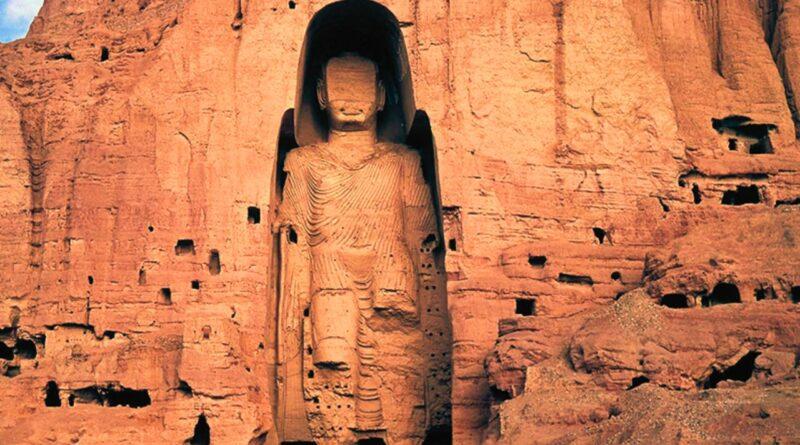
One of the most documented threats is the deliberate destruction of cultural heritage aimed at erasing the identity and collective memory of certain societies. Notable examples include the destruction of the Bamiyan Buddhas, and the damage inflicted on historic mausoleums in Timbuktu.
Many historic locations have also suffered collateral damage during military operations or aerial bombardments, as occurred in the ancient city of Aleppo.
To address these threats, the UNESCO and the International Committee of the Red Cross operate under the framework of the Hague Convention for the Protection of Cultural Property in the Event of Armed Conflict (1954), whose objective is to safeguard cultural heritage even during times of war.
Source: UNESCO (2025)