
High Seas Treaty Enters into Force to Protect Marine Biodiversity
This year marked the entry into force of the High Seas Treaty (BBNJ), widely regarded as a historic milestone in global ocean governance. For the first time, this international agreement establishes legally binding rules to protect biodiversity across nearly 60 percent of the planet’s oceans.
The primary challenge, however, is not only legal in nature. The real test will be political and operational: ensuring that the treaty is implemented effectively despite pressures from industrial fishing, deep-sea mining, and various commercial interests linked to marine resources.
The high seas refer to ocean areas located beyond the jurisdiction of any single country. Until now, these vast regions have largely lacked robust environmental protection mechanisms.
In this context, consolidating the progress represented by the treaty will require integrated solutions that diversify economies, expand social protection systems, and strengthen environmental priorities. Only sustained international cooperation will make it possible to advance toward a more inclusive and sustainable model for the world’s oceans.Source: Greenpeace – United Nations Development Program
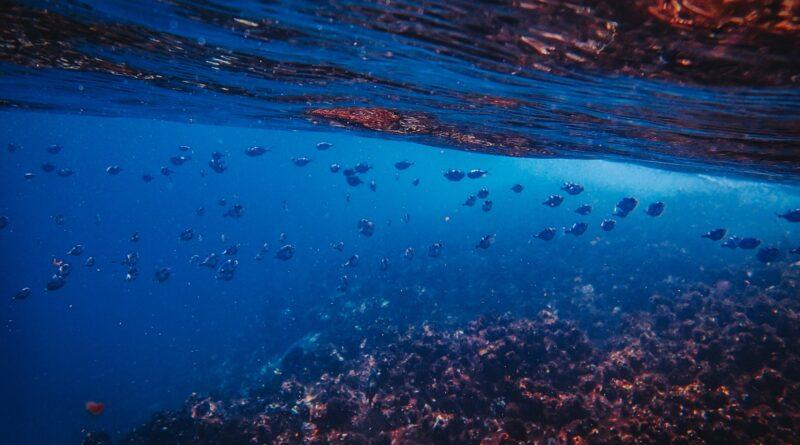
Caption: The High Seas Treaty seeks to strengthen global ocean biodiversity protection.