
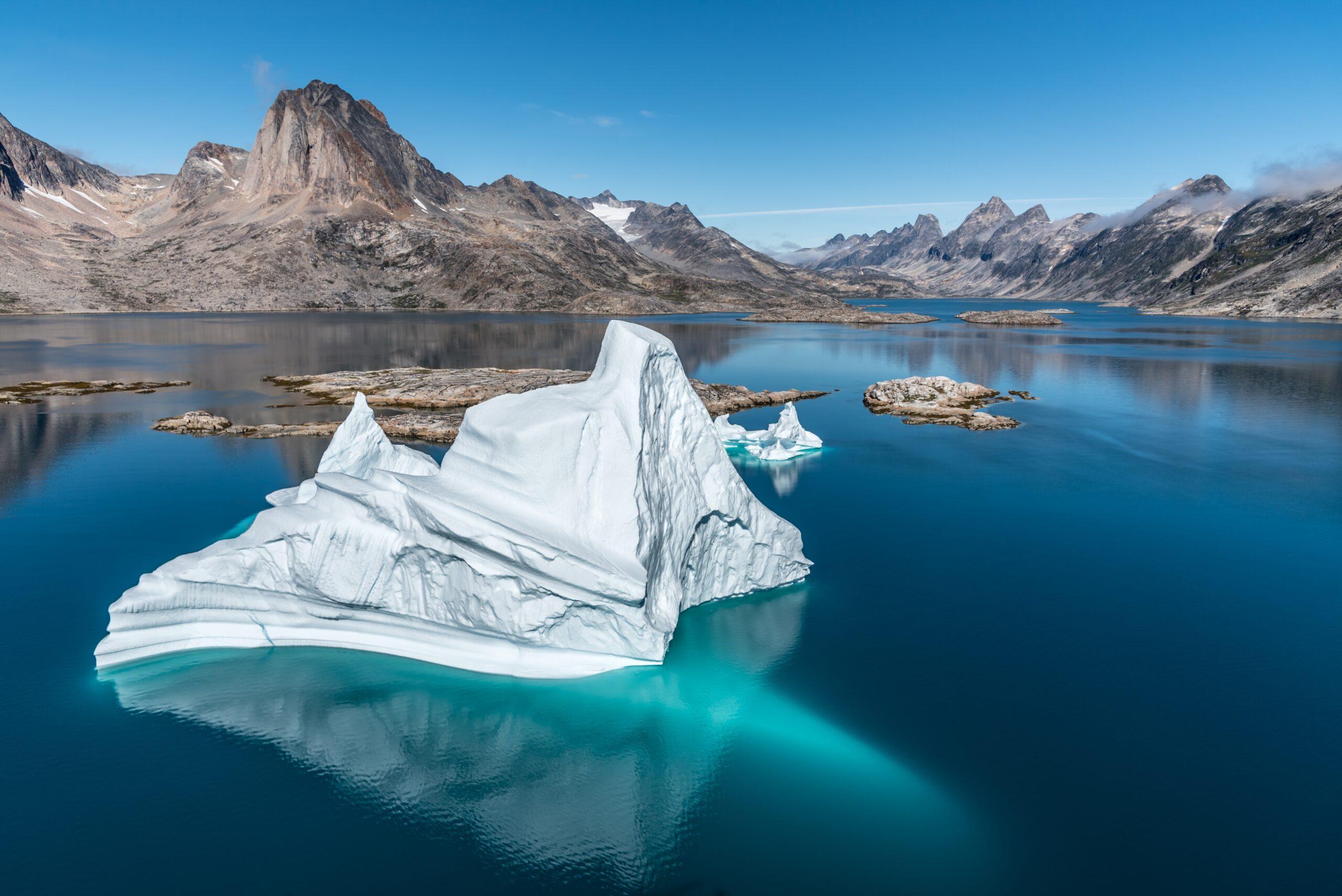
Greenland’s melting ice: hidden wealth and a global warning
Greenland, the largest island on Earth, lies between the Arctic Ocean and the North Atlantic. Although it is geographically part of North America, it is a self-governing territory under Danish sovereignty. Its defining feature is the vast ice sheet that covers most of its surface and shapes daily life, forcing most of the population to live along the ice-free southwestern coast.
Today, that ancient ice is retreating at an alarming pace. Climate change is no longer an abstract threat here—it is a visible, accelerating reality. Scientists warn that if Greenland’s ice were to melt entirely, global sea levels could rise by more than seven meters, with devastating consequences for coastal cities around the world.
Yet the melting ice reveals another, more uncomfortable truth. Beneath it lie vast reserves of minerals such as gold, zinc, lead, copper, and uranium, along with potential deposits of oil, natural gas, and hydroelectric resources.
This creates a global paradox: the same forces driving climate change are exposing resources that promise economic growth, while their extraction risks deepening the environmental crisis. Greenland has become a symbol of the difficult balance between development and sustainability in a warming world.