
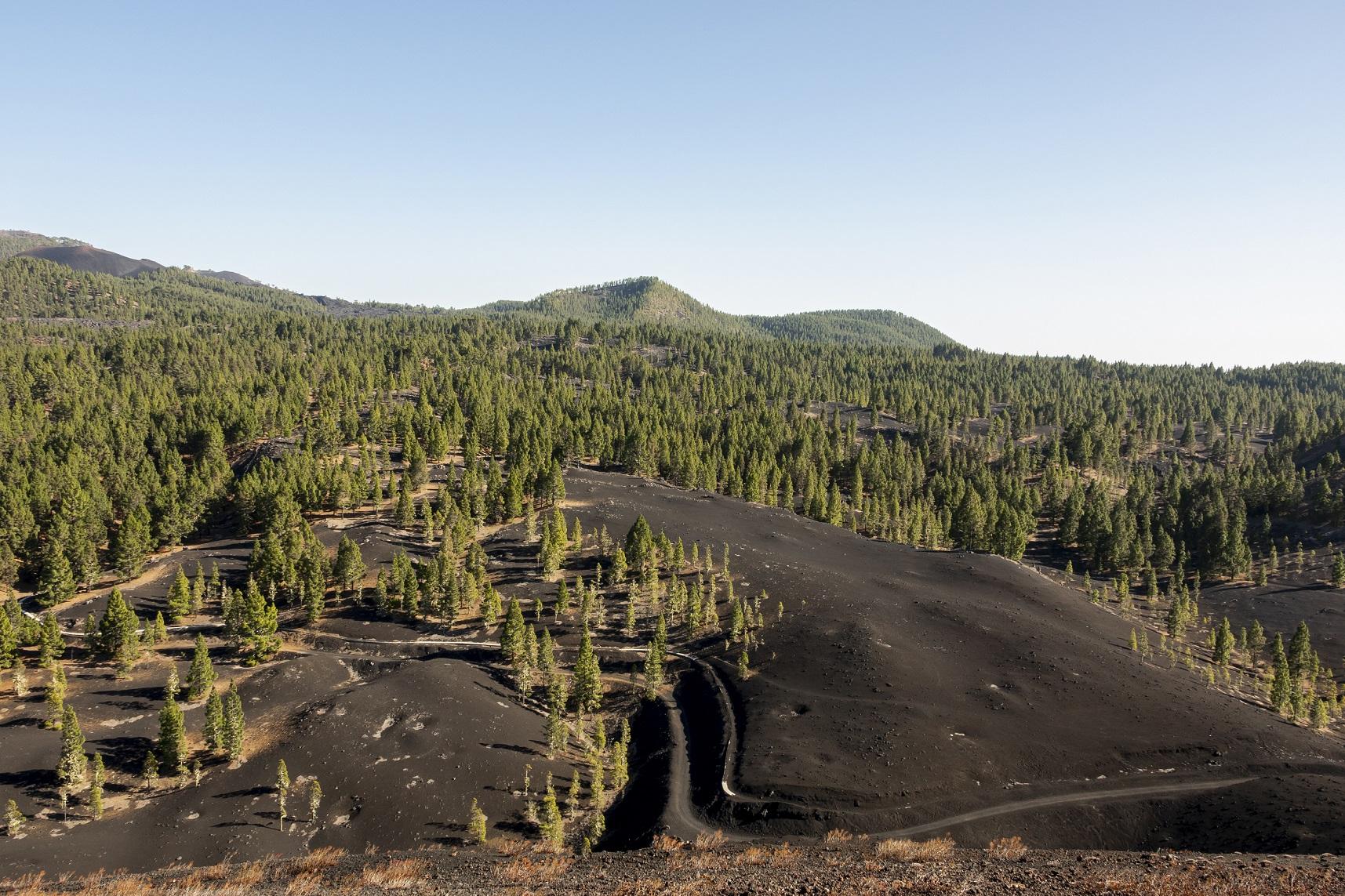
Natural Carbon Storage Is No Longer as Reliable as We Thought
For years, natural carbon storage — forests, soils, and other ecosystems that absorb more CO₂ than they emit — has been a silent pillar in global climate projections. We relied on them to buy time against global warming. But that trust is starting to crumble.
Recent research shows that many of these ecosystems, far from being stable, are highly vulnerable to accelerated climate change. Boreal and tropical forests in regions like Canada, Siberia, and the Amazon are especially concerning. Areas that functioned as robust carbon sinks for decades are now showing signs of saturation — and even reversal.
Wildfires, insect infestations, and thawing permafrost are releasing enormous amounts of carbon stored for centuries. In 2021, parts of the Brazilian Amazon and the Siberian taiga emitted more CO₂ than they absorbed, becoming net carbon sources decades earlier than climate models had predicted.
A worrying fact often left out of public debate: soils store more than twice the carbon of vegetation and the atmosphere combined, and that carbon is extremely sensitive to rising temperatures. When the soil warms, it releases CO₂ — creating a feedback loop.
This reality forces us to rethink key assumptions. If natural carbon sinks are less reliable than we thought, carbon offset strategies can be overestimated and risky. Counting on ecosystems that might stop absorbing carbon — or even start releasing it — is, at best, a dangerous gamble.
The message is uncomfortable but necessary: nature is still a crucial ally against climate change, but it is not an unlimited insurance policy. Relying on natural sinks without considering their fragility could lead to wrong decisions— and in today’s climate context, the margin for error is shrinking fast.Source: Intergovernmental Panel on Climate Change (IPCC)