
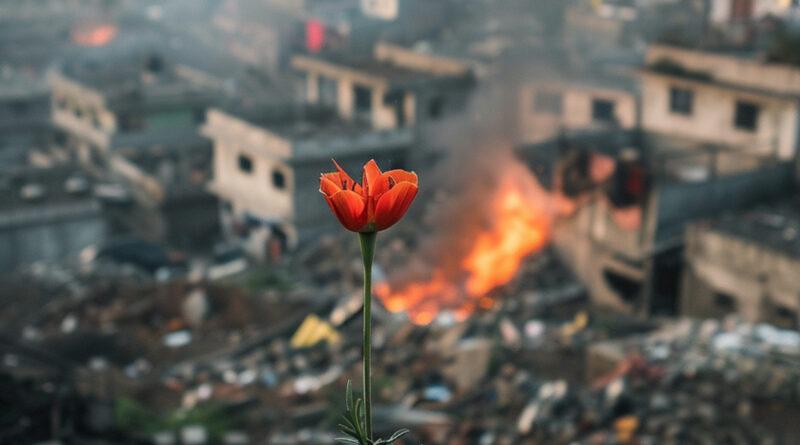
Wars and the Environment
According to the United Nations, there are currently around 56 active armed conflicts worldwide — the highest number since World War II. Among the many victims of war, the environment stands out as one of the most severely affected, facing threats that endanger both human life and the planet’s ability to sustain it.
Recognizing this, the UN General Assembly established November 6 as the International Day for Preventing the Exploitation of the Environment in War and Armed Conflict. But how exactly do wars impact nature?
During times of war, the environment suffers accelerated degradation. Military operations, training, and weapon testing cause severe harm to ecosystems and biodiversity. The damage often includes the burning of crops, deforestation, water pollution, soil contamination, and the release of toxic gases — not to mention the lingering danger of unexploded ordnance scattered across landscapes.
The UN Environment Program (UNEP) reports that at least 40% of all global conflicts are linked to the exploitation of natural resources — whether timber, gold, oil, water, or fertile land. Over the past six decades, armed conflicts have erupted in more than two-thirds of the world’s major biodiversity hotspots, threatening conservation efforts and accelerating species extinction.
Sources: www.fundacionaquae.org / www.undp.org