
The Artist as an Environmental Agitator
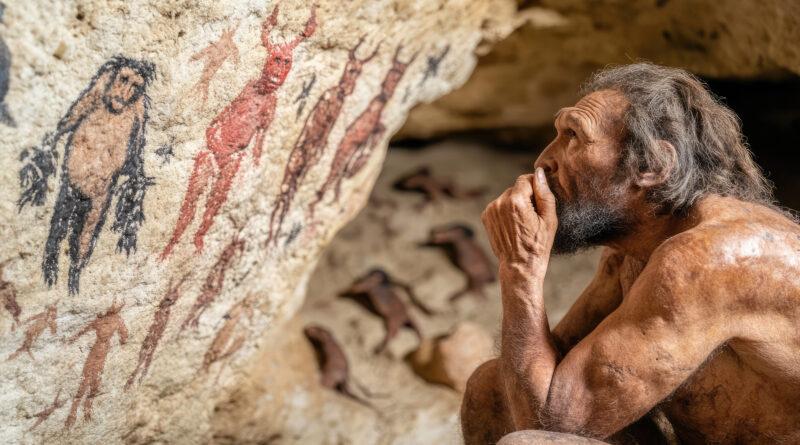
Art has always been tied to the environment — it draws life and inspiration from nature itself. From the clever pigments discovered by Paleolithic humans to the invention of paper in ancient China, the use of fired clay, wood, and later metals in sculpture, utilitarian objects, instrument-making, and architecture — creativity has always depended on the natural world.
Nature and humankind have built a relationship that has inspired both artists and scientists alike, pushing forward human development. Awareness of sustainability, however, wouldn’t emerge until the height of the Roman Empire, when figures like Pliny the Elder began to take an interest in resource management and the impact of human activity on the environment. After the fall of Rome came the Middle Ages — a time when art reflected humanity’s close connection with its natural surroundings.
Just as art first served as a mark of human existence, today’s artist acts as an agitator — a voice calling for the preservation of life on our planet. The universe becomes the canvas; words and creative expression become tools to draw attention, share ideas, provoke thought, and stir emotion. Artistic representations of nature are deeply tied to how society perceives the natural world. At the same time, artists are helping shape new ways of relating to and envisioning it.
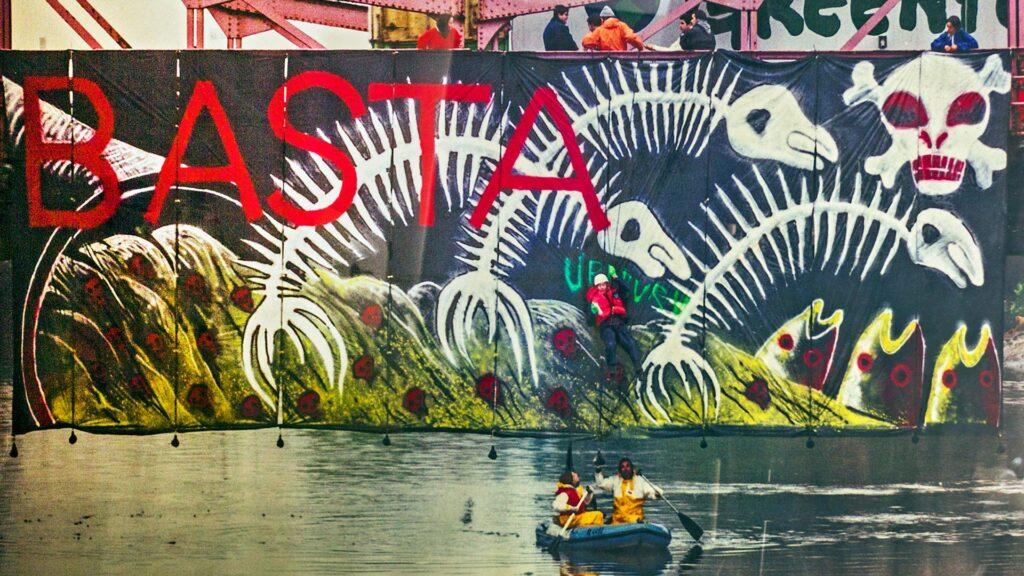
Photo: (Basta)
Nicolás García Uriburu — the Argentine artist who, back in the 1960s, was already sounding the alarm on climate issues with his groundbreaking work.